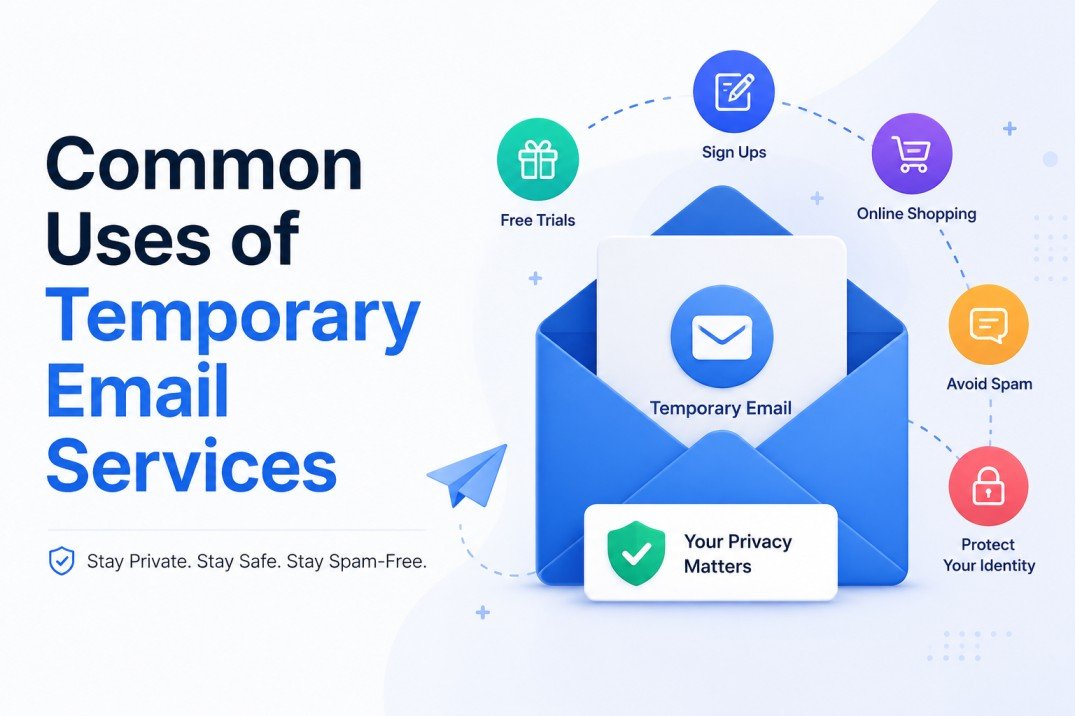
Common Uses of Temporary Email Services
Last year, I signed up for a "free" PDF converter tool to finish a project at 11 PM. Two days later, my inbox had 47 emails from companies I'd never heard of. Newsletters about crypto trading. Discount codes for mattresses. Some weird subscription confirmation I never agreed to.
That's when I started using temporary email addresses for basically everything I didn't fully trust. And honestly? It changed how I browse the internet.
If you've never used one before, a temporary email (also called a disposable email or burner email) is exactly what it sounds like — an inbox that exists just long enough for you to grab a verification code or download a file, then disappears. No password needed, no real identity attached, no long-term commitment.
I use mail-temp-mail.xyz for most of this now, mainly because it's fast — no signup, no app download, just open the site and you've got a working inbox in seconds.
Let me walk you through where this actually comes in handy, based on stuff I've personally dealt with.
1. Testing Apps and Tools You're Not Sure About
I review software for a small tech blog on the side. That means I'm signing up for new tools almost every week — project management apps, AI writing tools, random Chrome extensions.
Here's the problem: half of these tools want your email just to let you "try" a feature, and then they email you forever. Even after you stop using the product.
Now I just generate a temp email, sign up, test the tool for 20 minutes, and walk away. If it's genuinely good, I'll sign up properly with my real email later. If not, no harm done — that inbox is gone and so is my data.
2. Downloading "Free" Resources (Templates, Ebooks, Checklists)
You know those landing pages that say "Enter your email to download this free guide"? I used to fall for these constantly.
The download usually isn't the issue — it's what happens after. You get added to an email funnel that sends you something new every single day trying to sell you a course or a tool.
I made the mistake early on of using my main email for a "free resume template" site. Three months later I was still getting emails from them. Unsubscribing didn't even fully work — I kept getting added back somehow.
Now, anything that's a one-time download gets a throwaway address. Quick tip: most of these sites only check if the email format is valid, not whether it's a real long-term inbox. So a temp email works fine 95% of the time.
3. Signing Up for Forums or Communities You're Just Testing Out
I joined a Reddit alternative forum once just to see what the community was like. Within a day, I had random direct emails from the platform asking me to "complete my profile" and invite friends.
If I'm not sure I'll actually stick around on a platform, I use a temp email to create the account first. If I like it after a week, I switch the email on my profile to something permanent. If I don't, I just forget about it — no cleanup needed.
4. Avoiding Spam When Claiming Online Deals or Coupons
Black Friday, Cyber Monday, random "20% off your first order" popups — these all want an email before they give you anything.
I've tested this myself: signed up for a discount code using my real email on one site, and a temp email on another, same week. The real email got daily promotional emails for over a month. The temp email? I grabbed the code, used it at checkout, and moved on with zero follow-up noise.
If a site is just giving you a one-time code, there's rarely a reason to hand over your actual inbox.
5. Verifying Accounts for One-Time Use
Sometimes you need an account just once. Maybe you're filling out a form that requires email verification, or trying a service to compare it with a competitor before making a decision.
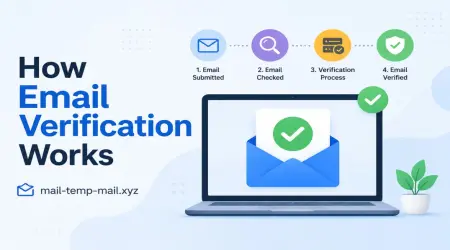
Step-by-step, here's basically how I do it every time:
- Go to mail-temp-mail.xyz and copy the temporary address it generates.
- Use that address to sign up on whatever site or app I'm testing.
- Switch back to the temp mail tab and wait for the verification email — it usually shows up within seconds.
- Click the verification link or copy the code into the signup form.
- Done. I don't even need to "log out" or delete anything — the inbox just expires on its own.
It's genuinely faster than creating a new Gmail alias or dealing with the "+" trick (like yourname+test@gmail.com), which some sites actually block now.
6. Protecting Your Real Inbox from Data Breaches
This one's less obvious but important. Every time you sign up somewhere with your real email, that email sits in their database. If that company gets hacked — and a lot of smaller platforms do — your email is now part of a leak.
I checked my own email once on a breach-checker site and was honestly surprised how many old, forgotten signups had exposed my address. Some I didn't even remember creating.
Using a temp email for low-stakes signups means even if that company gets breached, there's no real account of mine tied to anything sensitive. The email's already dead by the time anyone could misuse it.
7. Avoiding Bait-and-Switch "Free Trials"
This is a personal pet peeve. Some services let you sign up "free" but quietly require an email tied to your identity so they can chase you with renewal reminders, "we miss you" emails, and aggressive upsells.
I tried a meal-planning app once that promised a free trial — no credit card needed, just an email. I used my real one. For the next two weeks I got daily emails pushing the paid plan, even though I never asked to be marketed to that hard.
Lesson learned. Now free trials that only need an email (not a card) get a disposable one by default.
Mistakes I've Made (So You Don't Have To)
I'll be honest about a few things that went wrong along the way:
Mistake 1: Using a temp email for something I actually needed long-term. I once used a disposable address to sign up for a tool I ended up loving and using daily. A week later, the inbox expired and I couldn't recover my password. Lesson: if it's something you'll keep using, switch to a real email early.
Mistake 2: Assuming every site accepts temp emails. Some platforms — especially banking apps, government sites, or anything requiring real verification — block known disposable email domains. Don't try to use a temp email for anything tied to your real identity, finances, or legal stuff. It's just not what these tools are for.
Mistake 3: Forgetting the inbox is temporary. Sounds obvious, but I once stepped away mid-signup, came back 15 minutes later, and the verification email never arrived because the session had already expired. Always finish what you're doing in one sitting.
When You Should NOT Use a Temporary Email
To keep this balanced — temp emails aren't for everything. Avoid using them for:
- Banking or financial accounts
- Anything government-related (taxes, ID verification, etc.)
- Email accounts tied to your job or business
- Long-term subscriptions you actually plan to keep
- Anything where password recovery matters
Basically, if losing access to that inbox would actually hurt you, don't use a disposable one.
Final Thoughts
I didn't expect something as simple as a throwaway inbox to change my daily browsing habits, but it genuinely has. My main inbox is quieter now. I get less spam, fewer "we miss you" emails, and way less random marketing noise.
If you're someone who signs up for tools, downloads freebies, or tests new platforms often — even occasionally — having a temp email site bookmarked is one of those small habits that saves you a lot of cleanup later.
Next time a site asks for your email just to unlock a download or a 10% discount code, you don't have to give up your real one. Grab a quick temporary address, get what you need, and move on with your day.